
Boost your creativity in freelance work, online business or side hustle
In a world where algorithms rule and industries shift overnight, one trait continues to set successful businesses apart: creativity. Whether you're launching a side hustle, building a remote-friendly brand, or trying to stay relevant in an ever-changing market, your ability to think differently is what gives you an edge.
But creativity in business isn’t just about artsy logos or clever taglines — it’s about solving problems, spotting opportunities, and staying adaptable. It’s what turns a simple idea into a profitable venture and transforms remote work from a daily grind into a space for innovation.
In this post, we’ll explore:
- why creativity is one of the most underrated business tools,
- how remote work both fuels and challenges creative thinking,
- what you can do to cultivate more of it in your own workflow.
Plus, I’ll share some tools and platforms that can help you organize your ideas, stay inspired, and turn creativity into income—whether you're freelancing, running a startup, or just brainstorming your next move.
Let’s jump in and get those ideas flowing.
Why Creativity Matters in Business (Even If You’re Not an Artist)
When you think about business, “creative genius” might not be the first thing that comes to mind. But here’s the thing — creativity is everywhere in business. It’s in how you market your product, solve problems, connect with your audience, and even how you handle setbacks.
The best business ideas often come from seeing something familiar in a new way. Think about Airbnb: renting out a spare room wasn’t a new idea. But turning it into a global platform? That took creative thinking. Same with tons of successful freelancers and entrepreneurs who found unique angles in crowded markets. Creativity helped them stand out.

Here’s a simple example
A friend of mine was a freelance copywriter in a pretty competitive space. Instead of just offering “writing services,” she niched down and branded herself as a launch copy specialist for course creators. Then she added a fun twist — she’d write your email sequences in your voice, using Zoom calls and AI tools to speed up the process. Her offer was creative, specific, and totally different from what others were doing. Result? More clients, higher rates, and way less competition.
Even if you’re not launching the next unicorn startup, creativity helps you:
- Find smarter ways to work
- Come up with new offers or content
- Stand out in your niche
- Keep things interesting (for your clients and yourself)
In a world full of templates, automation, and copy-paste content, original ideas are gold. Being creative doesn’t mean reinventing the wheel — it’s about putting your own spin on it.
And the best part? Creativity is a skill. You don’t have to wait for a “big idea” to strike. You can build the habit of thinking creatively and use it to grow whatever you’re working on. Interesting, isn't it?
Creativity Is a Skill — How to Learn and Strengthen It?
A lot of people still think creativity is something you're either born with or you're not. Like it's some magical talent you either have or you're out of luck. But here’s the truth: creativity is a skill, just like writing, coding, or learning to cook. And that means you can practice it, improve it, and use it more effectively over time.
Just like going to the gym makes your muscles stronger, small creative habits stretch your brain and train it to think differently.

Here’s how to build it:
1. Expose yourself to new inputs regularly
Creativity feeds off novelty. Try reading outside your niche, watching documentaries, listening to podcasts you wouldn’t normally pick, or even taking a new route on your daily walk. New experiences = new mental connections.
2. Practice divergent thinking
This is a fancy term for brainstorming as many different solutions to a problem as possible. Don’t aim for “the right” idea — go for lots of them. Set a timer for 10 minutes and come up with 20 business ideas, even if they’re weird. Especially if they’re weird.
3. Use constraints to your advantage
Limitations often spark the best ideas. Can you create something using only free tools? Can you repackage something you’ve already made into a new offer? Boundaries = focus + unexpected solutions.
4. Reflect on your own process
Start noticing when and how your best ideas show up. Is it after a walk? While you're doing dishes? When you talk out loud to someone? The more you understand your creative rhythms, the easier it is to lean into them.
5. Give yourself permission to make bad stuff
Perfectionism kills creativity. Fast. If you let yourself create messy, awkward, or “bad” drafts, you’ll move through blocks faster and uncover more gems in the process.
Recommended Read: “The Creative Act: A Way of Being” by Rick Rubin
This book isn’t your typical how-to guide—it’s more like sitting down with a thoughtful, grounded creative mentor who’s seen it all. Rubin explores the deeper why behind creativity, and how to live a life that makes space for it. It’s full of poetic insights, but also practical gems you can apply to business, remote work, and idea generation.
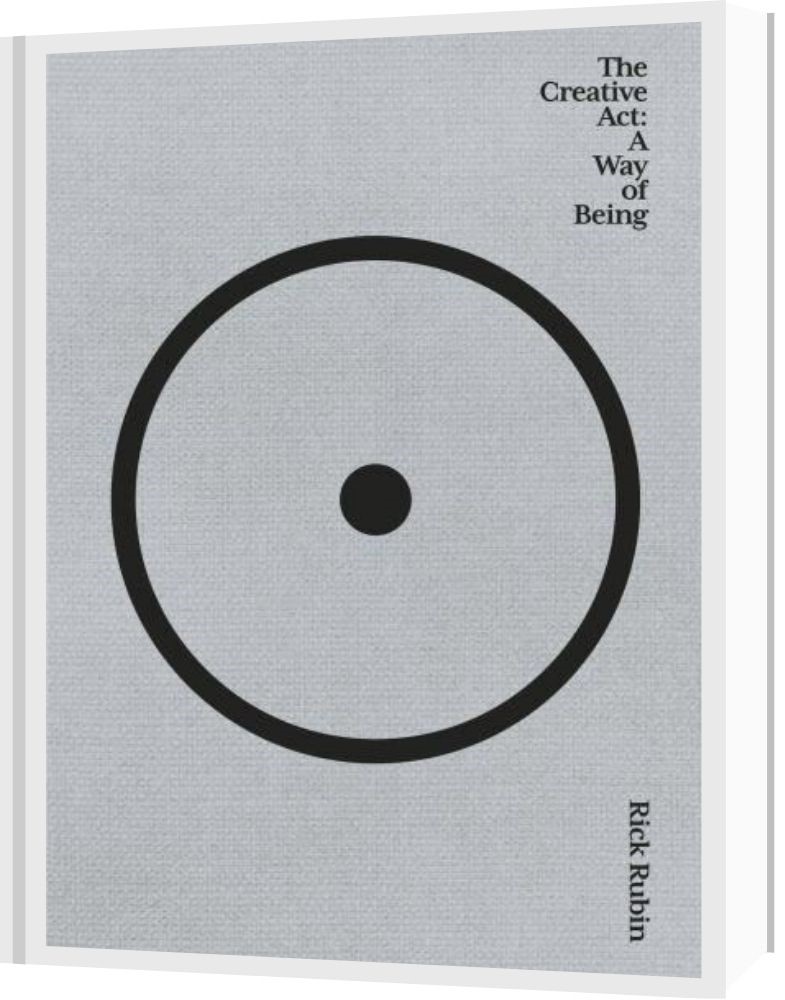
Creativity is not a rare ability. It is not difficult to access. Creativity is a fundamental aspect of being human.
That’s the energy we’re going for here.
How Remote Work Boosts (and Challenges) Creativity

Remote freelance work sounds like a dream, right? And while that flexibility can definitely boost creativity, it also comes with some curveballs.
Why remote freelance work can fuel your creativity:
- You control your environment – Set up a workspace that actually inspires you, whether that’s a home office with plants and mood lighting or a laptop on the beach.
- You control your schedule – You’re not stuck in back-to-back meetings or traditional 9–5 hours. You can work when you’re naturally more creative (hello, late-night thinkers and early birds).
- You’re exposed to more inspiration – Working from different places, meeting people online, discovering new tools… it all feeds your brain with fresh input.
But remote work isn’t all sunshine and mood boards.
Where it can block creativity:
- Lack of spontaneous ideas – You don’t bump into coworkers in the hallway or randomly chat about projects over coffee. Those “accidental” creative sparks are fewer.
- Isolation – Working alone for long stretches can make it hard to stay inspired or motivated.
- Too much freedom – Without structure, it’s easy to procrastinate, fall into routines, or get stuck in your own head.
How to stay creatively charged as a remote or freelance worker:
- Use idea boards – Tools like Miro or Notion are great for brain dumping and visually organizing your thoughts.
- Schedule “creative time” – Literally block time on your calendar for ideation, not just tasks.
- Mix up your routine – Work from a café, coworking space, or take a walk before brainstorming.
- Stay connected – Join online communities, mastermind groups, or even virtual coworking sessions to keep the ideas flowing.
Practical Ways to Cultivate Creativity in Your Business
Creativity isn’t just a flash of inspiration — it’s something you can build into your workflow. Like a muscle, the more you use it, the stronger it gets. You don’t need to wait for some lightning-bolt idea to strike while you’re in the shower (although, let’s be honest, shower thoughts do hit different). Here are a few ways to stay creatively charged in your business on a regular basis.

Start with a brain dump
Set aside time every week — or even daily — to dump every random idea in your head onto paper (or into a digital doc). Don’t judge, don’t edit, just get it all out. You might find that one throwaway idea has real potential once you revisit it later. I like using Notion or a simple Google Doc for this — whatever feels frictionless.
Build a creativity ritual
This could be as simple as a 10-minute freewriting session with your coffee in the morning, a walk around the block in the afternoon, or playing with a whiteboard when you're stuck. The goal isn’t perfection — it’s movement. Once your brain gets used to creating without pressure, ideas will come easier.
Set creative constraints
We mentioned this earlier, but it’s worth repeating: limitations actually boost creativity. Try giving yourself a challenge: write a business idea using only three tools you already have. Or design a new offer that takes zero budget to launch. When you can’t rely on “more,” you get resourceful—and that’s where real creativity kicks in.
Steal like an artist (ethically)
You don’t need to reinvent the wheel. Look at what others are doing in different industries, or even unrelated fields. What’s working for them? What sparks something in you? Remix, reframe, and repackage. Some of the best ideas are just old ideas with a new twist and better timing.
Make space for boredom
This one’s underrated. Constant input — like scrolling, watching, listening — can actually block original thought. Let yourself get bored. That’s when your brain starts connecting dots you didn’t even know were there.
Creativity thrives when it’s given time and room. So treat it like part of the job, not an afterthought. The more you make space for it, the more it’ll show up when you need it most.
How to Keep the Creative Flow Going (Even When You’re Stuck)
Let’s be honest. Creativity doesn’t always show up when you want it to. Some days you’re full of ideas and momentum. Other days? You're staring at a blank screen wondering if you’ve ever had a single original thought in your life. It happens to everyone — even the most seasoned creatives and business owners.
The trick isn’t to avoid creative blocks (spoiler: you can’t), but to build habits and systems that help you move through them.

Here’s what actually helps when the creative flow starts drying up:
1. Switch modes
Sometimes the best way to get back into a creative groove is to stop trying so hard. Step away from your main task and do something completely different — like going for a walk, doing a brainless admin task, or switching to a creative-but-low-stakes activity (journaling, doodling, even reorganizing your digital files). Giving your brain room to breathe often opens the door to fresh ideas.
2. Create a swipe file
Keep a personal “library” of things that inspire you — cool websites, clever emails, product launches, marketing copy that made you pause. You can use tools like Notion (yep, again—it’s just that good) or even something simple like Pocket or Google Keep.
Try Notion for free here – I use it to store random sparks of inspiration, and it saves me when I’m low on ideas.
3. Build your go-to playlist
Music is a creative cheat code. Whether you thrive on lo-fi beats, ambient noise, or epic movie scores, a good playlist can help shift your mindset into creative mode fast.
Bonus tip: save different playlists for different types of tasks — brainstorming vs. editing vs. deep focus.
4. Keep a “bad ideas” list
Yup, bad ideas. The pressure to be brilliant is a total creativity killer. So keep a running list of weird, silly, or half-baked thoughts. Not only does it lower the stakes, but some of those “bad” ideas might actually be gold once you revisit them later.
5. Stay inspired by others — but don’t compare
Follow creators, entrepreneurs, and thinkers you genuinely vibe with. Read their stuff. Watch what they build. Just don’t fall into the trap of comparison. Use their success as fuel, not as proof you’re behind.
6. Build your creative circle
You don’t need to go it alone. Join a Slack group, mastermind, or even a chill online co-working space. Being around other creative minds — even virtually — can help you bounce back quicker when you're feeling stuck.
And finally: don’t panic when the ideas slow down. Creativity isn’t constant, and that’s okay. Think of it like a tide: sometimes it pulls back, but it always comes in again.
Make Space for Your Ideas

Creativity isn’t something reserved for “creative types.” It’s a business skill, a problem-solving tool, and honestly, one of your biggest assets — especially if you’re working remotely or building something on your own terms.
You don’t need a perfect idea, the trendiest tools, or hours of free time to be creative. You just need a bit of space, a few simple habits, and the willingness to keep showing up — even when it feels messy. The more you treat creativity like part of your work (not a side bonus), the more it’ll start showing up when you actually need it.
So to recap:
- Creativity in business helps you stand out, adapt, and grow.
- Remote work can both help and hurt your creative flow — so build in structure and inspiration.
- Simple routines, idea dumps, swipe files, and letting go of perfection can make a huge difference.
- The best ideas often come from staying curious, staying connected, and allowing yourself to try things — even the “bad” ones.
If you’re ready to bring more creativity into your business, start small. Keep a journal. Set a timer for a 10-minute idea sprint. Rework one offer in a fresh way. Or explore a new tool to organize your thoughts — I personally love Notion because it keeps all my half-baked ideas in one place until I’m ready to build on them.
Creativity isn’t magic — it’s momentum. And you’ve already got what it takes to start.
If you’re curious about when you’re most naturally creative (because yes, timing matters), check out this post about chronotypes and why 9 to 5 doesn’t work for everyone — it’ll help you figure out the best time of day for deep work, creative thinking, and when to just... take a nap.
Disclaimer: This post may contain affiliate links, which means I may earn a small commission if you choose to buy through them, at no extra cost to you.
[…] more inspiration?Check out this post on creativity in business and learn how to spark better ideas and thrive in remote […]
[…] Reading:If you’re interested in applying these techniques in a professional setting, check out this post about Creativity in Business: How to Spark Better Ideas and Thrive in Remote Work.It dives into how creative thinking can improve team collaboration, innovation, and […]